19 April 2006

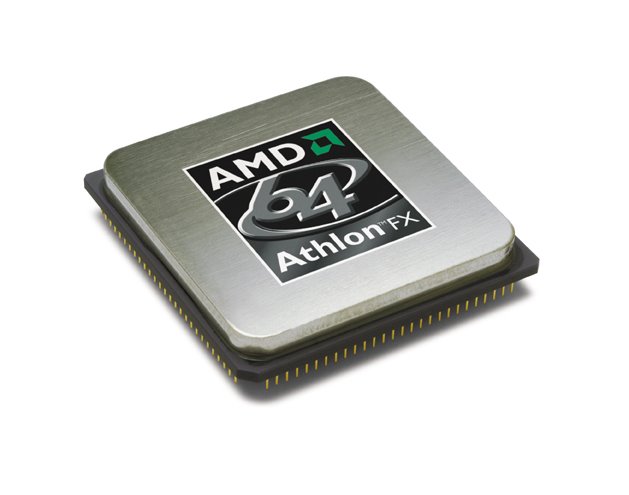
AMD Athlon 64 FX Processor - Gamers' CPU


When I looked at PC World's Top 10 Power Desktop PCs list, I realised that top 5 gamer machines are all using 2.6-GHz Athlon 64 FX-60. Why and where is Intel? When I scrolled down the page, I found Intel's 3.4-GHz, 3.6-GHz, and 3.8GHz Pentium 4 were on 7th, 9th and 10th position respectively.

It interests me to find out why Athlon 64 FX Processor is so popular in the power desktop area. The AMD Athlon 64 FX processor is the first Windows-compatible 64-bit PC processor and the world's most extreme gaming PC processor, according to AMD. It can run 32-bit applications at full speed while enabling the coming wave of powerful 64-bit software applications. It also provides Enhanced Virus Protection when supported by the OS, like Windows XP SP2 and Windows XP 64-bit Edition.

2.6GHz Athlon 64 FX-60 is the top of the line model. I think its superior performance is the main reason to outrun Intel's P4 Extreme Edition for gamer PCs. The price of it is also super, I think. For more details and newest purchasing pricing of 2.6GHz Athlon 64 FX-60, click here.

18 April 2006

HD-DVD Ready Notebook from Toshiba


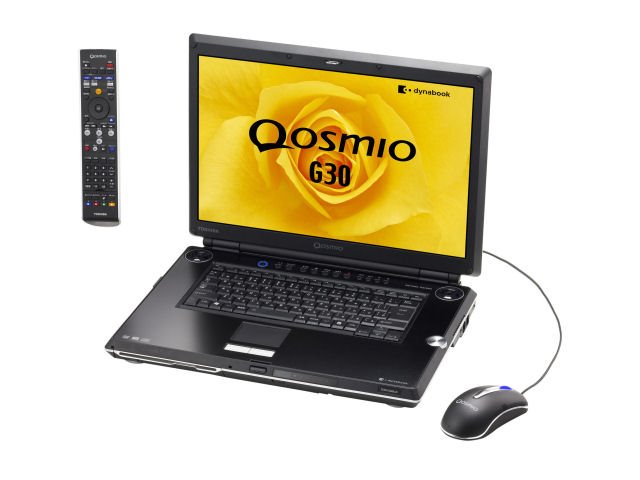
Toshiba plans to put on sale in Japan in May its first laptop computer with a built-in HD-DVD drive. The Qosmio G30 is expected to be the first computer available from any vendor with an HD-DVD drive.

HD-DVD is one of two formats competing to replace DVD for high-definition movies. The other format is Blu-ray technology.

The laptop is based on a 2-GHz Intel Core Duo processor and will have a 17-inch widescreen LCD panel with 1920 x 1200 pixels (WUXGA) resolution.

Like other computers in Toshiba's Qosmio range, the machine is designed for multimedia use, thus the relatively large display and features such as digital and analog TV tuners, Harman Kardon speakers, and an HDMI (high-definition multimedia interface) output.

The HD-DVD drive will be 0.5 inches high and able to play HD-DVD-ROM discs and read and write CDs and DVDs, including DVD+/- R DL (dual-layer) and DVD-RAM. It will be available in Japan for about NZD$5,400, but when will it be available in New Zealand.

For other existing models of Toshiba notebook and tablet PCs, click here.

30 March 2006

Vista delayed again, will it affect PC sales?

Microsoft has delayed in shipping its Windows Vista operating system again from November 2006 to January 2007. It's due to some security issues. Let's assume Microsoft doesn't want to release it until it's perfect.

Will the delay affect PC sales? I think it will affect some non-urgent users. Those consumers will certainly delay PC purchases until Vista is available. But for consumers who need a PC now, please do not wait. Windows XP SP2 is already good and secure enough to do everything. You can find huge selection of Windows XP computers here.

IDC believe that Vista delay won't affect PC sales. It will only shift moderate volume from the fourth quarter of 2006 into 2007 and will not cause a loss of sales, IDC says. The Vista delay probably will, however, drive up marketing cost for Microsoft and for PC makers this year, as they try to attract consumers and adjust to the new schedule.

In another trend, desktops are losing ground to laptops in the United States, IDC says. Consumers are increasing opting for notebooks, attracted by lower prices, wider screens and improved battery life. Check out newly released notebook PCs here.

16 March 2006

Sony PlayStation3 delayed

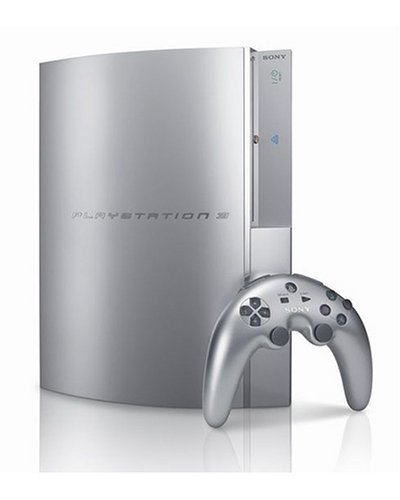
Sony has finally confirmed long-running speculation that the launch of its next generation PlayStation3 console will be delayed. The problem is with the console's Blu-ray DVD drive. It would launch simultaneously in Japan, the US and the UK in November, 2006 - hopefully. It would be early next year when it arrives in New Zealand, I think.

The delay of PS3 will make it one year behind XBox 360. The new XBox 360 will be launched in New Zealand at 23rd March - next week!

For more information on game accessories, click here

15 March 2006

Microsoft Origami Devices - Will you buy it?

Microsoft has officially unveiled its Origami project. It's a middle-ground device sitting between PDA and notebook. It can play media, enable gaming and allow people to store personal information, access the Internet or download photos from a flash storage card. I personally think it's similar to the ultra-small notebook Sony launched a few years ago.

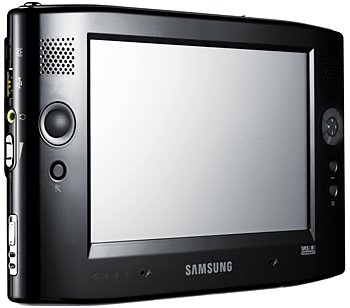
Samsumg Q1 Origami Handheld

Samsung is the first to launch the Origami platform "ultramobile P
C". The Q1 is finished with the same sort of shiny black plastic that is used for the PlayStation Portable. It is based on an Intel Celeron M processor running at 900 MHz. It has 512MB of memory and a 40GB hard drive. There are wired and wireless LAN adapters, Bluetooth networking, and a Compact Flash card slot that could be used for other types of modems. It can be controled by buttons and its 800-by-480-resolution (Widescreen VGA) touch-screen. The price of it will be US$1,190 (NZD$1,800) when it goes on sale in Europe.

Will you buy it? I think it's too expensive for me. If the price could drop to under NZD$1,000, I believe lots of people will start to think about it.

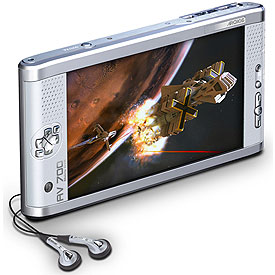
For now, we have the Archos AV700 media player in the market. It also has a 40GB or 100GB hard drive and 7" colour screen for watching movies from various formats, including MPEG-4. It can also record your TV programme like a DVD/hard drive recorder and play on the move (of course you can also play it back on your TV). Click here for more information and pricing.

10 March 2006

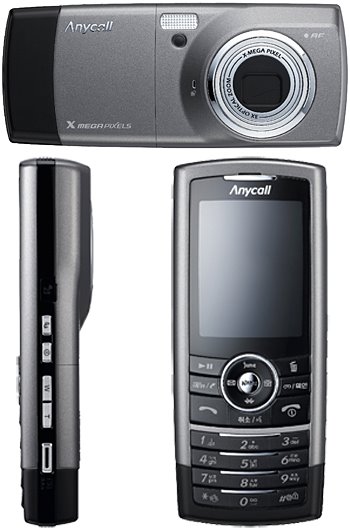
Samsung Shows 10-Megapixel Camera Phone in CeBIT

Do you believe it? 10-Megapixel Camera Phone! Samsung is planning to launch this SCH-B600 in the second quarter of this year in Korea. Do you remember the first 5-megapixel mobile phone Samsung launched in October 2004? I thought that one was ugly and bulky. But this one looks cooler, hope it's smaller as well.

This handset also includes a music player, a video recorder, and a document viewer.
From one side the handset looks like a conventional cell phone; from the other, it looks like a digital still camera, with an autofocus 3X optical zoom lens and a flash. Images and other data can be stored to the handset's internal memory or on MMCmicro memory cards.

For more camera phones and smartphones, click here.

09 March 2006

new i-mate JAMin, do you like it?

i-mate announce the launch of their most compact Windows Mobile 5.0 based Pocket PC, the i-mate JAMin with enhanced keypad design to allow for complete one handed opertation.

I think the new JAMin looks very similar to its old model JAM, just changed the colour from grey to black. But it's much more powerful and uses the new Windows Mobile 5.0 system.

Here is a summary of how powerful it is:

  • Microsoft Windows Mobile 5.0
  • 850 / 900 / 1800 / 1900 MHz
  • GSM / GPRS / EDGE
  • 128MB ROM
  • 64MB RAM
  • Bluetooth Compatible
  • SDIO Card Memory Expansion
  • 64k Colour Transflective LCD
  • Built in Wi-Fi 802.11 b/g
  • 2.0 Megapixel Built in Camera with macro mode Integrated Antenna
The only thing stop it from the perfect is it does not support 3G yet. If you want a 3G enabled PDA phone, check out the i-mate JASJAR.

How much do you think it will cost? Click here for the pricing.

08 March 2006

Windows Vista Versions Unveiled


Microsoft is saying that it’ll release six different editions of Windows Vista when the OS – due to show up later this year – arrives. (Actually, there will be twelve versions, since everything will be available in both 32- and 64-bit editions.)

The company will aim three versions of Windows at home users (all of the descriptions that follow are Microsoft's, not mine):

Windows Vista Home Basic: For consumers that want to simply use the PC to browse the Internet, correspond with friends and family over email or perform basic document creation and editing tasks, Windows Vista Home Basic will deliver a safer, more reliable and more productive computing environment.

Windows Vista Home Premium: Will help consumers utilize mobile or desktop PC functionality more effectively while enabling the enjoyment of new, exciting digital entertainment experiences – all with the benefit of added security and reliability. Windows Vista Home Premium includes everything in Windows Vista Home Basic, plus the Windows Vista Aero™ and Media Center and Tablet PC capabilities.

Windows Vista Ultimate: Windows Vista Ultimate is the edition of Windows Vista that has it all. It is the first operating system that brings together all of the consumer-oriented features available in Windows Vista Home Premium with all of the business-oriented features available in Windows Vista Business.

Two versions will cater to businesses:

Windows Vista Business: For small to medium size businesses, Windows Vista Business will help keep PCs running smoothly and securely so they are less reliant on dedicated IT support. For larger organizations, Windows Vista Business will provide dramatic new infrastructure improvements that will enable IT staff to spend less time focused on day to day maintenance of PCs and more time adding strategic value to the organization.

Windows Vista Enterprise: To better address the needs of large, global organizations and those with highly complex IT infrastructures, Windows Vista Enterprise is designed to significantly lower IT costs and risk. In addition to all of the features available in Windows Vista Business, Windows Vista Enterprise is designed to provide higher levels of data protection using hardware-based encryption technology.

And one version will target particularly price-sensitive parts of the world:

Windows Vista Starter: Helps users in emerging technology countries be more successful by providing an affordable, easy to learn and use computing experience. It is compatible with latest applications and devices, and more reliable and secure because it is part of the Windows Vista family of products.

Check out more Microsoft products on www.mytoys.co.nz
10 January 2006

Windows Vista Hardware Requirements

As the new Windows Vista is coming towards the end of the year, I have researched and summarised some Windows Vista hardware requirements. I think we may need to take this into consideration when we’re building new PCs.

Processor (CPU)

The minimum processor requirement for Windows Vista is any mid-range and better processor from Intel or AMD. But it’s better to be a 64-bit (x64-enabled) processor, including Intel Pentium Processor Extreme Edition, Intel Pentium D processor, Intel Pentium 4 processor with EM64T, and the AMD Athlon 64 FX Processor, AMD Athlon 64 X2 Dual-Core Processor, AMD Athlon 64 Processor and AMD Turion 64 Mobile Technology.

Memory

Although the minimum requirement is 512MB, it’s better to be at least 1GB.

Graphics

The graphics card must support for Windows Display Driver Model (WDDM). And the GPU also need to support DirectX 9 and has at least 64MB of graphics memory. However, 256MB of graphics memory is recommended. If the computer uses integrated graphics, we need to make sure the chipset supports WDDM, such as Intel’s 945G express chipset, ATI’s RS400 or RS480.

Storage

The hard drive must be at least 7200 RPM. The interface should be either SATA (Serial Advanced Technology Attachment) or EIDE (Enhanced Integrated Drive Electronics). In addition, it’s better to have a DVD+/-RW optical drive.